

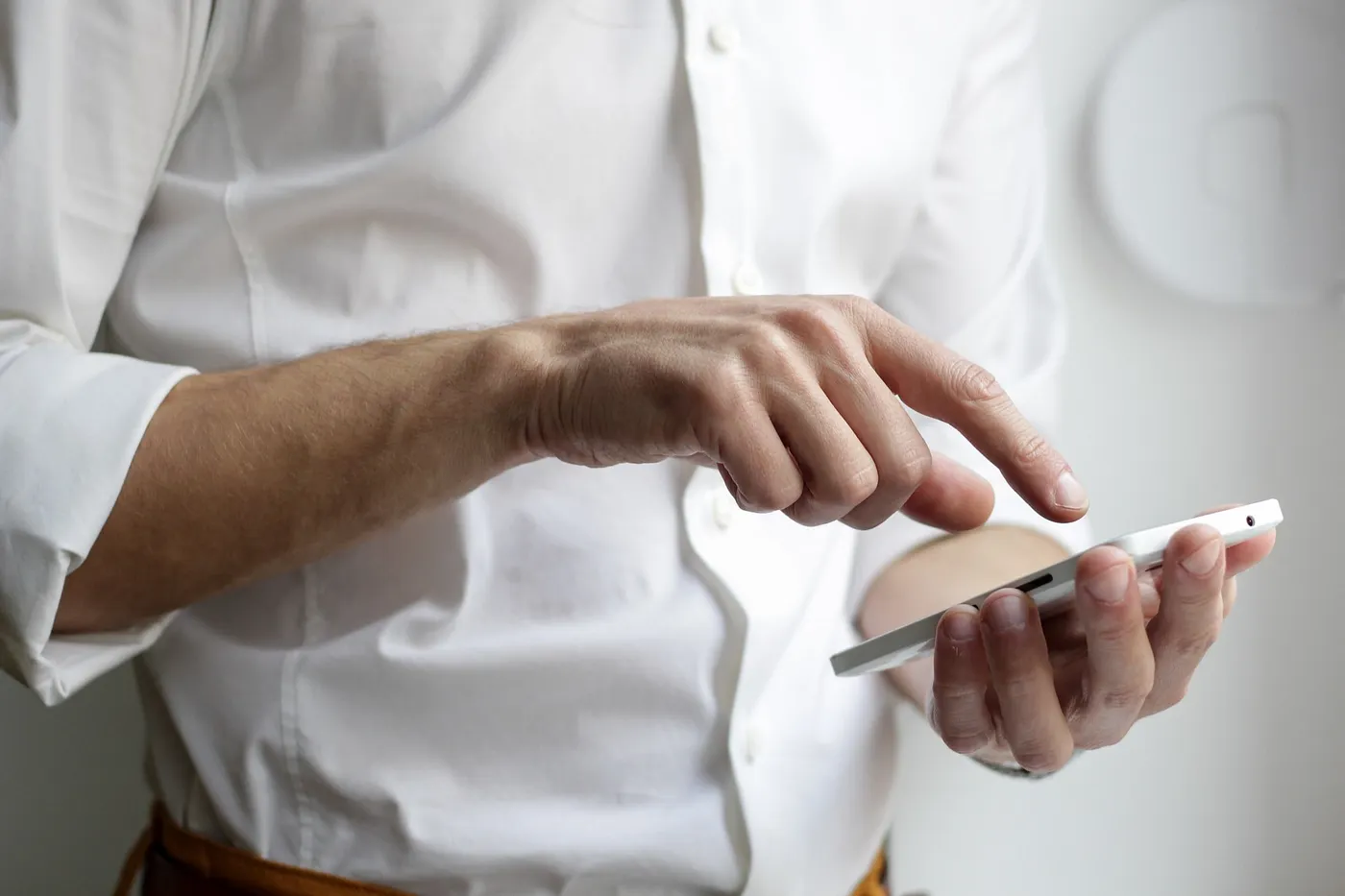
The proliferation of smartphones and apps like Apple Wallet has made mobile phones an indispensable part of our daily lives. Apple Wallet can store electronic versions of credit cards, boarding passes, and event tickets. Now that Apple has opened up the Wallet app to developers, experts predict that the use of mobile credentials will expand dramatically, encompassing everything from unlocking cars and storing driver’s licenses to entering offices. This article will delve into how mobile credentials impact cybersecurity and physical security in the workplace.
Traditional access card systems require physical cards or key fobs for entry. While the technology is convenient, it is no longer a modern option for tech-savvy employers and is inadequate for today’s evolving threats. Access cards are easily copied, lost, stolen, or borrowed. Although some access card systems offer good security through data encryption and real-time logging, management and monitoring are still needed to ensure the identity of the person scanning the credential is genuine.
Mobile credentials bring several key advantages to the cybersecurity and physical security of commercial buildings.
1.Reduced Costs
Because credentials use your phone in your pocket, there is no need to purchase and store any additional key cards or remote controls. The likelihood of people losing their smartphones is also significantly reduced, eliminating the need to replace credentials. While mobile access control readers have a higher initial cost, the reduced hardware wear and tear translates to long-term cost savings. Furthermore, many cloud-based systems offer subscription services to avoid expensive licensing fees and local maintenance costs.
2.Enhanced Security
Mobile-based access control systems utilize smartphones’ built-in two-factor authentication (2FA) and biometric technologies, as well as features like facial recognition, to directly link credentials to specific individuals. Traditional key card access control systems still lack this capability, as anyone can simply pick up a card and swipe it to enter, and copying or stealing mobile credentials to gain access is far more difficult. Data and communication between the mobile device and the reader can be fully encrypted, ensuring the security of personally identifiable information.
In addition, mobile credentials offer the advantage of instant access. New employees or visitors can gain access within seconds, while access for departing employees is immediately revoked. However, because smartphones can easily connect to other devices via Wi-Fi, Bluetooth, and cellular signals, they can be vulnerable to interception. Providing mobile credential users with cybersecurity best practices training is crucial to ensuring optimal security.
3.Convenient and Contactless
It’s well known that people dislike access cards and ID cards. Having to remember something every time you leave the house is a hassle. With mobile credentials, all the information is centralized in one place, making it quick and easy. However, some mobile-based access control systems still require users to open an app on their phone to unlock. To truly achieve a convenient contactless access experience, some access control apps use proximity sensing technology to determine if a user is near the door and authorize unlocking via motion detection, eliminating the need for the user to hold their phone.
What is another advantage of using a mobile device as a key? One credential can open all doors, parking turnstiles, and elevators. There’s no need to prepare a separate access card for each building; mobile credentials store all the information in one place. Furthermore, mobile access is now compatible with all types of entrances and locks, including turnstiles, elevators, parking and garage doors, as well as wired and wireless locks.
4.Simplified Management
Managing complex systems is one of the most challenging issues in any security environment. Digital credentials help alleviate the burden on IT and security teams. New credentials can be issued with just a few clicks in the access control software; users simply need to download the application or click a link. Similarly, mobile-based systems can instantly deactivate old users and adjust access permissions without reprogramming or replacing access cards.
5.Versatility and Adaptability
The security of commercial security and door lock systems depends on their up-to-date updates. With mobile devices, you can leverage automatic software updates to better defend against the latest vulnerabilities. There’s no need to send someone to update hardware and replace everyone’s access cards every time a new security threat emerges; mobile credentials and cloud software only require simple updates.
Mobile cloud access control systems can also support an unlimited number of users, doors, and locations. This makes it ideal for enterprise users who need to set different access levels for thousands of users across multiple sites.
The Key to the Future
Mobile technology has advanced rapidly in a short period. As more and more companies move to mobile work, the potential for a unified mobile experience is becoming increasingly apparent. Imagine how convenient it would be if your entire suite of office technology were readily available anytime, anywhere through a single application. From opening doors and ordering desks to managing lunch deliveries, the potential for streamlining and efficiency is virtually limitless.
With the continuous advancement of mobile devices and technology, we anticipate more businesses adopting mobile credentials and other smartphone-based systems to ensure security and operations. Smartphones are unlocking future-proof security for the workplace, ensuring physical safety and protecting data in an increasingly IoT-dependent world.